Sometimes the law moves in mysterious ways – so mysterious that nobody has any idea what was going on inside a judge’s head.
This is such a case.
Normally, when judges make important decisions, they hand down judgments outlining their reasoning so everyone can see, hopefully, that justice has been done. But not so in this case.
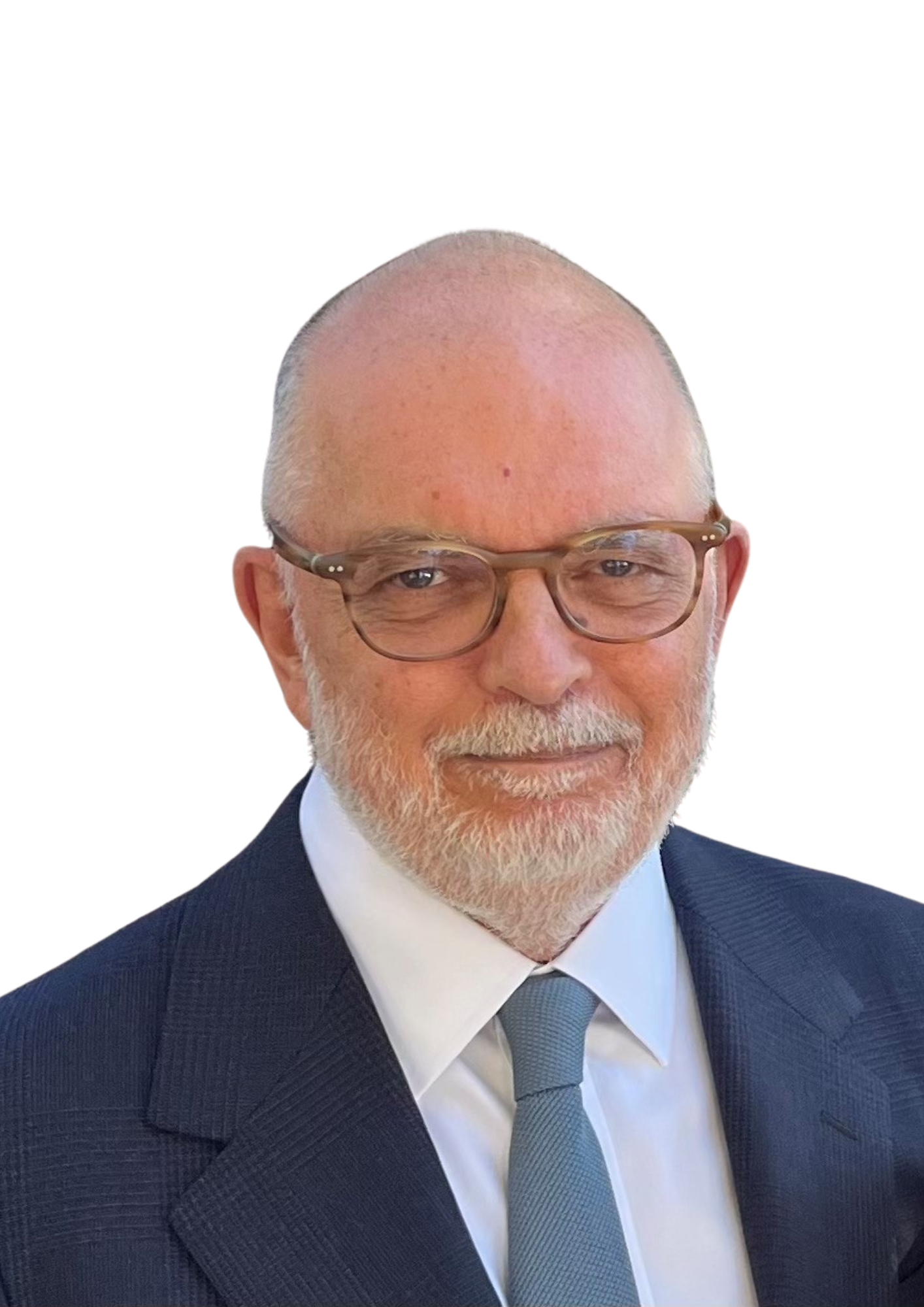
District Court judge Michael McHugh released a scant five pages of a longer judgment that is subject to a non-publication order.
The judge might have good cause for suppressing his chain of reasoning. But at face value the material made public on Tuesday is unsatisfactory.
This decision turned on judicial discretion.
Yet the judge provided no hint about why he decided to exercise his discretion in a way that favours two former Bankstown, Sydney, nurses who are facing criminal proceedings.
All we can discern with certainty from those five pages is that a jury will never be shown a video of what the two accused, Sarah Abu Lebdeh and Ahmed Rashad Nadir, said during an online chat with an Israeli man.
We know the decision was all about judicial discretion because the judge said it concerned section 138 of the Commonwealth Evidence Act.
And the heading on that statute says: “Discretion to exclude improperly or illegally obtained evidence.”
The statute has two steps before evidence can be excluded. The first required a decision as to whether the video was, in fact, improperly or illegally obtained.
That would require the judge to decide that a video made in Israel is considered to have been “obtained” illegally under Australian law, or “in consequence of an impropriety”.
That could mean that the judge has determined that Australia’s law or standards of propriety can be used as a benchmark to assess the conduct of citizens of Israel.
How the judge dealt with that will make interesting reading when his full judgment in this matter is eventually made public.
But for the sake of the argument, let’s simply accept that the video was obtained illegally or as a result of impropriety.
That brings us to the real issue.
Section 138 also says illegally obtained evidence can be still be used if “the desirability of admitting the evidence outweighs undesirability of admitting the evidence”.
So even if the video was obtained in the most dreadful of circumstances, the statute makes it clear that it could still have been used as evidence against the two former nurses.
Until the judge decides to share his chain of reasoning with the public, his logic for excising his discretion to exclude the video remains a mystery.
But there is a possible hint in the fact that the prosecution in this case might now need to rely on the evidence of the Israeli man who heard what the two accused had to say on that video.
The last line of section 138 says that when exercising their discretion to admit improperly or illegally obtained evidence, judges may take into account “the difficulty (if any) of obtaining the evidence without impropriety or contravention of an Australian law”.
This case is far from over.