It is 10 years since Bill Leak took a stand for Indigenous children that almost certainly contributed to his death just seven months later.
The great cartoonist had tried to force this country to act on the terrible plight of Indigenous children in dysfunctional households.
Today, a decade later, the same issue that was targeted by Leak is still inflicting untold damage on Indigenous children.
Reports in The Australian show Indigenous children have been abandoned in Port Hedland for extended periods not just by deadbeat parents, but by an equally deadbeat state bureaucracy.
We are witnessing the same soft racism and cultural relativism that meant this country never came to grips with Leak’s plea for action on behalf of Indigenous children.
Taken to extremes, proponents of cultural relativism believe local traditions determine the existence and scope of rights, and outside standards should not be used to judge a particular society’s practices.
The true brilliance of Leak’s message is that he attacked this mindset head on. He did so by evoking one of the great principles of the rule of law: equal treatment.
His cartoon, published on August 4, 2016, was impossible to ignore. It is as relevant today as it was then.
It shows an Indigenous policeman restraining a ragged Indigenous youth while telling the boy’s father: “You’ll have to sit down and talk to your son about personal responsibility.”
The father replies: “Yeah righto. What’s his name then?”
The message was powerful: Indigenous children are entitled to the same standard of care as all others. That demand for equality was not coming from some outsider but from the Indigenous community itself – in the form of Leak’s policeman.
This message should have forced a rethink on Indigenous child protection. But it was lost on those, including the then leadership of the Australian Human Rights Commission, who seemed to consider it racist to suggest an Indigenous child could suffer at the hands of a delinquent father.
As Leak told a parliamentary inquiry on December 8, 2016, he had been punished “for daring to shine the spotlight on the truth of family dysfunction in Indigenous communities”.
In a rational world, Leak’s message should have been followed by a debate about how to better protect vulnerable children – regardless of their race.
Had that happened, the government of Western Australia might have been motivated to overhaul its Department of Child Protection, and the disgrace of Port Hedland might have been avoided.
Instead, the debate we needed never happened. It was hijacked by the Australian Human Rights Commission, which attempted to drum up complaints against Leak under section 18C of the Racial Discrimination Act.
In the end, those efforts came to nothing. But the damage was done – and not just to Leak.
“The publicity given to the commission’s treatment of me has had as chilling effect on anyone considering making public statements about the levels of violence and neglect suffered by Aboriginal Australian children,” he wrote in his submission to the parliamentary inquiry.
A brief moment, in which real change to child protection laws might have been possible, was lost.
Instead of dealing with the plight of vulnerable children, section 18C meant a vast amount of time and energy was spent debating feelings: whether anyone felt offended, insulted, humiliated or intimidated by a cartoon.
As Leak told that inquiry: “Far from seeking to malign Indigenous people on the basis of their race, my cartoon aimed to expose the truth about the appalling levels of violence endured by Aboriginal women and children.
“It was nothing less than an entirely reasonable, and considered expression of a view on a subject of intense public interest and yet, incredibly, it resulted in me not only being publicly vilified as a racist by anonymous ‘social justice warriors’ on social media but also being persecuted by an agency of the state.”
Leak’s critics, just like the child-protection authorities in Western Australia, succumbed to the soft racism of low expectations that has caused so much suffering.
When Indigenous people are denied equal protection of the law, and viewed as outsiders in their own country, tragedy follows.
Consider these examples from the past:
In 2023, Indigenous sociologist Kyllie Cripps examined 151 coronial court investigations and inquests into the deaths of Indigenous women.
She wrote in Current Issues in Criminal Justice that “the women’s deaths, in most instances, were entirely preventable”.
“The findings of this study concur with a coroner who labelled the actions and inactions of police as being akin to systemic racism, or at the very least, lazy policing,” Cripps wrote.
In 2006, anthropologist Peter Sutton wrote in the Macquarie Law Journal about what can only be described as two-tier policing.
“There is anecdotal evidence, at least, that a number of Aboriginal disappearances in central Australia in recent years have been pursued with less than the usual vigour by police,” Sutton wrote.
“Until the 1950s in the Northern Territory a blind eye was turned to homicides when they were in the category of intra-Indigenous acts, so long as traditional weapons were used.”
The failures at Port Hedland are so blatant, so extreme, that they offer this nation a second chance to purge cultural relativism from the national psyche and give real meaning to equality of citizenship.
Ten years ago, Section 18C crippled the debate. This time, that odious law is under direct challenge in the High Court. The time to act is now.
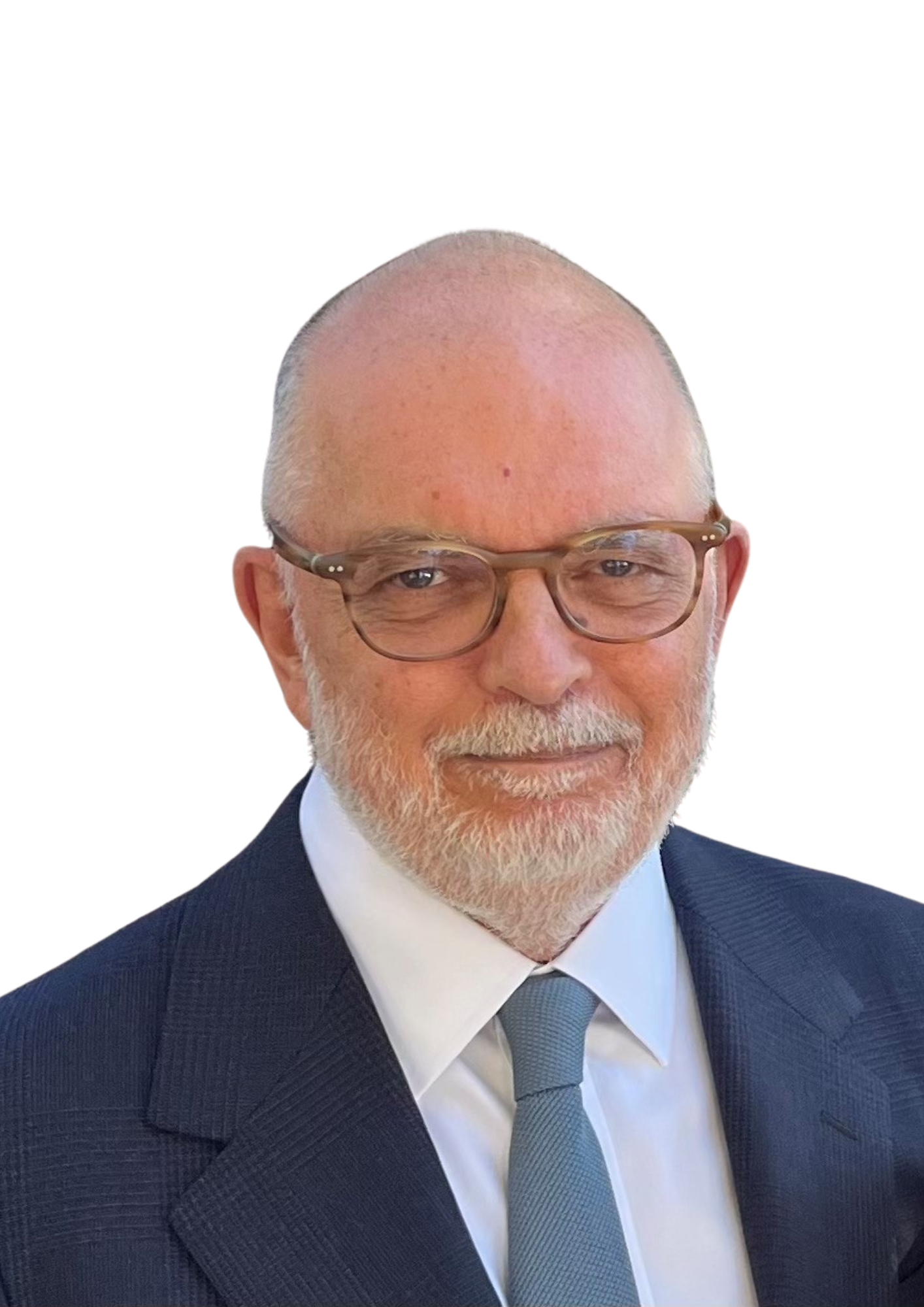
Chris Merritt is vice-president of the Rule of Law Institute of Australia.